Reliable Roofing Expert for Quality Home Protection
Choosing a reputable roofing contractor is a essential choice for homeowners. A qualified professional ensures adherence with industry standards and reduces potential risks. The right contractor not only delivers customized solutions but also emphasizes robust communication and reliability. This foundation results in a protected and well-protected home. However, the process of finding such a contractor requires more than just a quick search. Understanding the vital qualities and considerations can make all the difference.
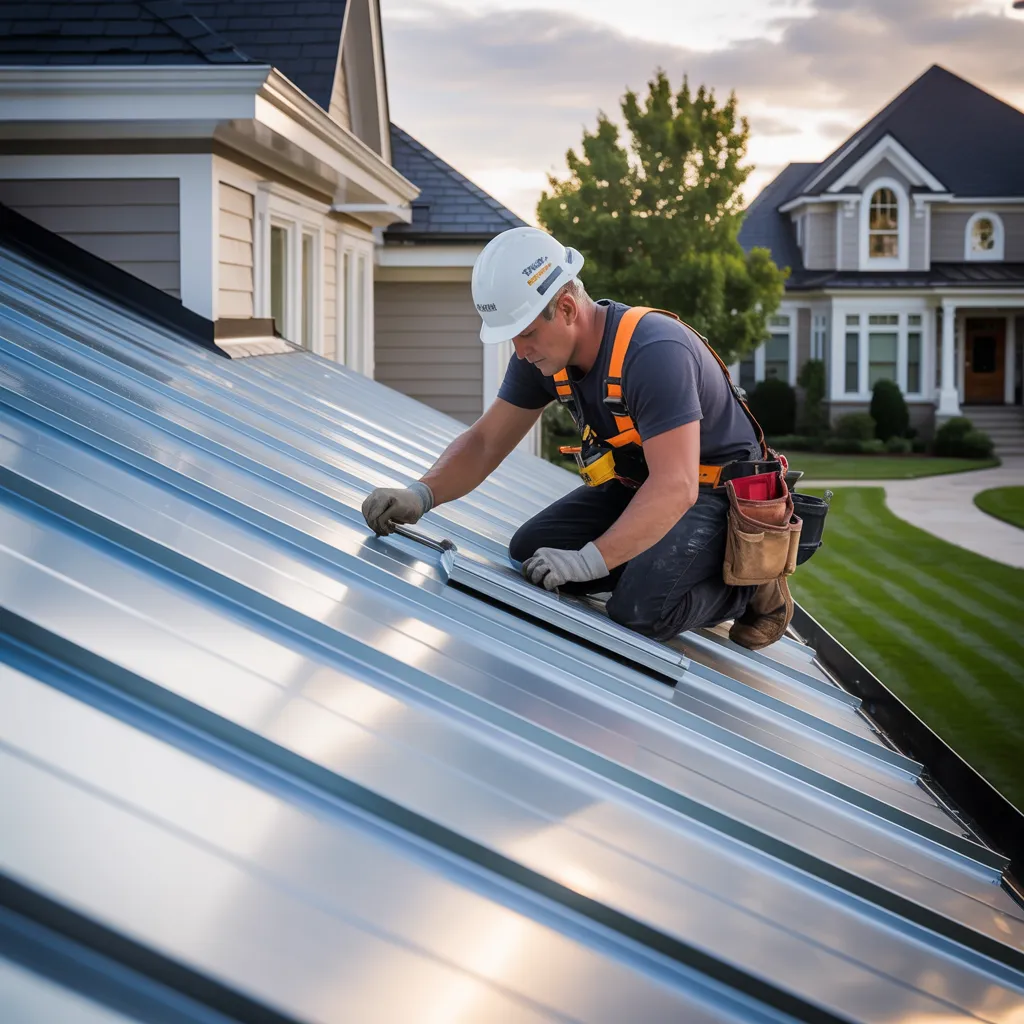
Why Picking the Correct Roof Specialist Matters
How paramount is it to choose the suitable roofing contractor? The appointment of a roofing contractor greatly affects the endurance and productivity of the roofing system. An improperly installed roof can lead to leaks, structural damage, and increased energy costs, ultimately threatening the home's safety. A established contractor provides compliance with local building codes and applies superior materials, facilitating a robust and stable roof. Additionally, experienced contractors provide valuable insights into the most effective roofing solutions adapted to specific needs, enhancing overall home protection. A improperly selected contractor, conversely, may result in subpar workmanship and unforeseen expenses. This decision carries significant long-term consequences; accordingly, thorough examination and evaluation are essential. Engaging a dependable contractor not only secures the roof but also fosters peace of mind for homeowners, knowing their investment is safeguarded. Ultimately, selecting the right roofing contractor is foundational to preserving the integrity of the home.
Essential Attributes to Consider When Choosing a Roofing Professional
Choosing a roofing professional requires careful consideration of multiple attributes that guarantee a completed project. First, a reputable contractor should have valid licensing and insurance, guaranteeing compliance with local regulations and safeguarding against potential risks. Expertise in the roofing industry is critical, as it reflects a contractor's ability to manage different obstacles successfully.
Moreover, strong communication skills are essential; a reputable contractor guarantees clients receive updates throughout the project, handling concerns immediately. Trustworthiness is another critical quality, showing that the contractor can honor timelines and commitments.
Furthermore, a solid collection displaying past work can offer understanding into the contractor's craftsmanship and technique. Finally, positive customer feedback and recommendations serve as a reflection of their standing and quality of service. By assessing these critical qualities, homeowners can make a well-informed decision when choosing a roofing professional to safeguard their homes successfully.
Important Roofing Materials: Types and Advantages
Roofing elements are important in the durability and aesthetics of a home. There are various types, each with clear advantages. Asphalt shingles are common because of their low cost and user-friendly installation, making them ideal for many homeowners. Metal roofing, known for its long life and weatherproof qualities, can be a more sustainable choice, often deflecting heat to reduce energy expenses.
Clay and concrete tiles provide exceptional durability and a traditional look, while slate roofing is widely praised for its sophistication and longevity, although it comes at a higher price point.
Wood shakes provide a natural appearance, but they require more maintenance. Finally, man-made materials, such as rubber or polymer shingles, combine the benefits of conventional materials while being lightweight and environmentally friendly. Choosing the right roofing material is vital for ensuring both protection and aesthetic appeal, in the end improving the home's value.
Reviewing Roofing Bids: Components to Examine
When evaluating a new roof, reviewing estimates from roofing contractors is a vital step in the selection journey. Homeowners should emphasize critical elements to confirm they receive a equitable and comprehensive proposal. First, it is crucial to analyze the work scope presented in each estimate, encompassing materials, labor, and any supplementary services. Detailed itemization facilitates comprehension of what is included.
Next, homeowners should look for guarantees on both materials and workmanship. A reliable builder often provides a warranty that safeguards against defects. Additionally, the schedule for job completion should be clearly defined, as delays can affect planning and budget.
In the end, it's prudent to examine the contractor's standing through reviews and endorsements, confirming they have a track record of superior results. By carefully examining these aspects, homeowners can select the right option that best suit their priorities and spending limit.
Why Licensing and Insurance Are Essential?
A sturdy base for any roof work copyrights on the contractor's insurance and licensing. Certification guarantees that the contractor has met specific industry standards and regulations, exhibiting a focus on professionalism and quality. It serves as a protection for property owners, showing that the contractor is capable to execute the required work.
Insurance, on the other hand, defends both the contractor and the homeowner from potential liabilities. In the event of accidents or damages during the roofing process, insurance provides coverage, guaranteeing that financial burdens do not fall on the homeowner. Without proper insurance, a homeowner might face significant out-of-pocket expenses if something goes wrong.
Together, licensing and insurance both raise the contractor's credibility but also offer comfort to homeowners. Hiring a qualified, licensed, and insured roofing contractor ultimately plays a role in the long-term protection and value of the home.
Key Topics for Your Roof Expert?
How can property owners ensure they choose the right roofing contractor? One effective approach is to prepare a set of essential questions to ask prospective contractors. Homeowners should ask regarding the contractor's experience and previous work to evaluate their expertise. It's also vital to ask for testimonials and feedback from past customers, which can provide useful information into the contractor's reliability.
Another key question examines the materials and techniques the contractor plans to use, validating they align with professional criteria. Property owners should also verify that the contractor is adequately licensed and insured, delivering protection from potential risks. Also, covering the project timeline and payment structure can help set clear expectations. In closing, property owners should ask about warranties on both materials and labor, supplying assurance of quality and durability. Through these focused questions, homeowners can make informed choices, confirming their roofing assignment is completed efficiently and effectively.
The Way a Quality Roof Increases Your Home's Worth
Putting money into a quality roof not only protects a home but also substantially increases its market value. A solidly built roof functions as a protective layer against the natural forces, lowering the risk of water damage and structural issues. Homebuyers often focus on the quality of the roof, as it directly impacts their expected upkeep expenses.
Additionally, a visually appealing roof can elevate the overall aesthetic of a property, rendering it more desirable to potential purchasers. Different roof types and styles can also affect property worth; high-quality materials such as slate or metal typically generate better investment returns.
Additionally, a new roof can enhance thermal performance, leading to reduced utility bills, which is an appealing feature for eco-conscious buyers. Ultimately, a high-quality roof not only provides peace of mind but also serves as a significant asset in increasing a home's value in a competitive real estate market.
Questions Asked Frequently
What Duration Does a Typical Roofing Project Require to Finish?
A routine roof repair and installation often takes a few days to a week to accomplish. Considerations such as the dimensions of the roof, weather conditions, and material type can influence the complete timespan of the undertaking markedly.
What Coverage Options Are Included With Roofing Services?
Multiple guarantee options for roofing services exist, such as manufacturer warranties that cover materials and labor guarantees from contractors. These warranties typically span from a few years to several decades, depending on the materials used and the contractor's policies.
What Steps Should I Follow to Care for My Roof Following Setup?
To preserve a roof after installation, regular inspections should be conducted, debris cleared, gutters cleaned, and any damage promptly repaired. Additionally, professionals recommend periodic maintenance checks to guarantee longevity and peak performance.
What Actions Should I Follow if My Roof Leaks?
If a roof leaks, the homeowner should pinpoint the location of the leak, limit any water damage, and contact a contractor for repairs. Timely action prevents further damage and maintains the integrity of the roof.
Is placing a fresh Roof Over an old One possible?
Yes, installing a new roof over an existing one is practical, provided that the current roof is in good condition and local building consult this source codes approve it. This method can minimize time spent and cut expenses considerably.